
Category: News & Regulation Suggested read time: 5–6 minutes
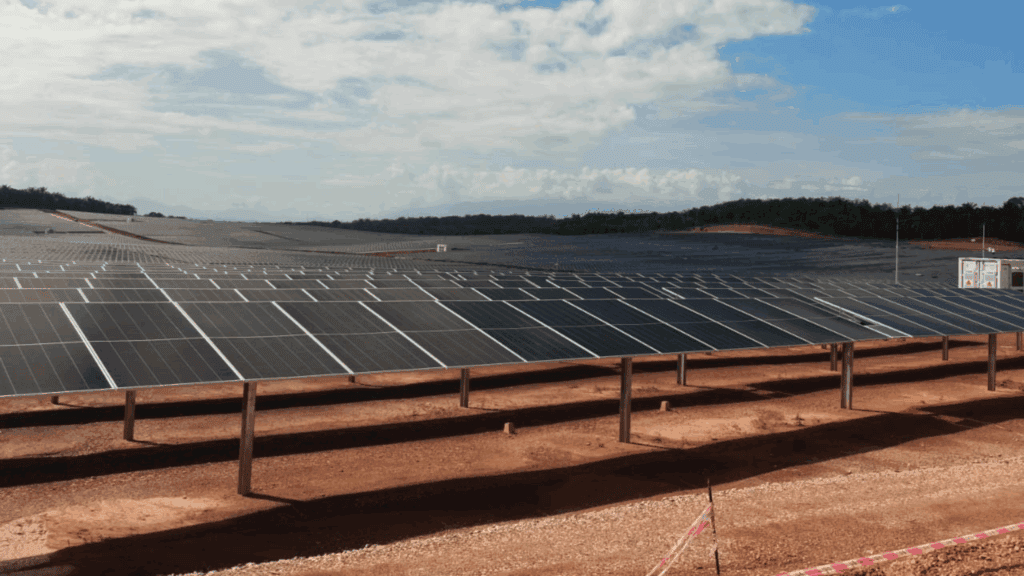
Malaysia’s Energy Commission has officially launched the sixth round of the Large Scale Solar programme — LSS6 — and it’s the largest solar tender the country has ever run. For developers, landowners, and corporate investors watching where the next wave of utility-scale solar capital is headed, this is the round to understand.
LSS6 is offering a combined 2,650 MW of solar capacity alongside 1,250 MW / 6,000 MWh of Battery Energy Storage System (BESS) capacity, split across three packages:
Bid sizes for Packages 1 and 2 range from 60 MW to 500 MW; Package 3 bids range from 10 MW to 30 MW — a structure designed to let both large institutional developers and smaller local players participate.

RFP documents for the two hybrid (solar + storage) packages became available for purchase from 27 July to 7 August 2026, priced at RM20,000 each. The solar-only Package 3 RFP window follows shortly after, running from 17 to 28 August 2026. All successful projects are required to reach commercial operation by 31 December 2029.
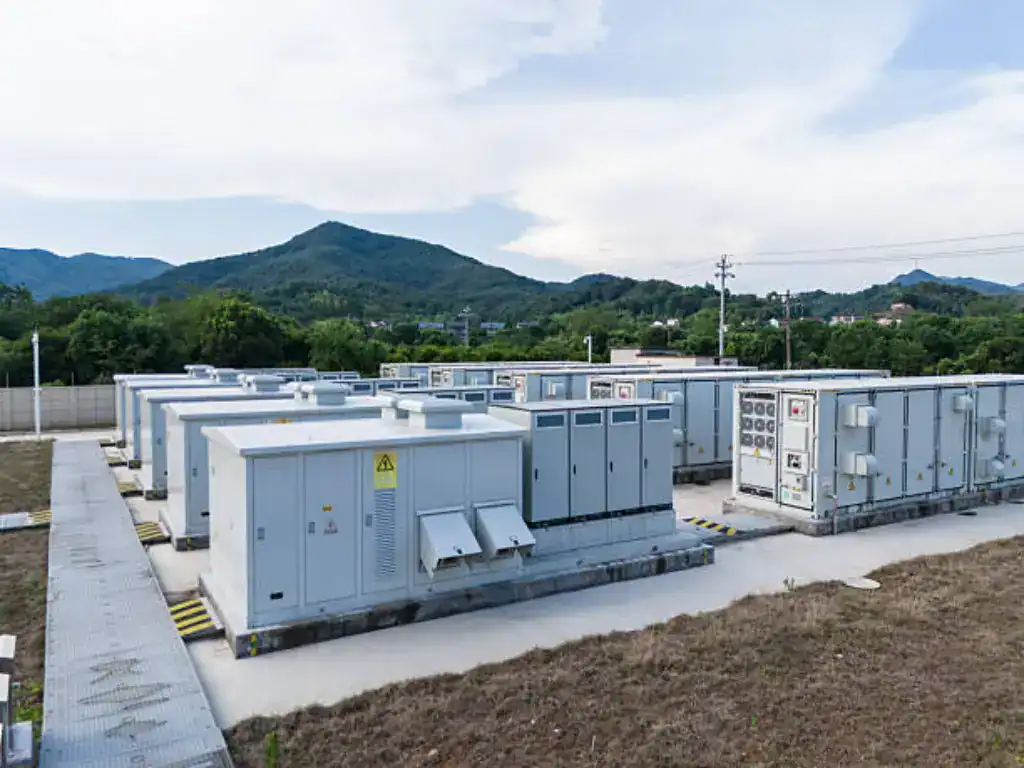
Every previous LSS round awarded capacity purely on price competitiveness — lowest tariff wins. LSS6 changes that. For the first time, battery storage is folded directly into the tender requirement rather than being an optional add-on, which means storage costs are now baked into project economics from day one rather than considered separately.
The rationale, according to Deputy Prime Minister and Energy Transition Minister Datuk Seri Fadillah Yusof, comes down to grid stability. As solar’s share of the national power mix keeps climbing, the grid needs a way to manage the mismatch between when solar generates (midday) and when demand peaks (evening) — batteries are the mechanism for that. Based on the announced MW and MWh figures, the storage fleet works out to roughly four to five hours of discharge duration on average, though the government’s initial announcements were clearer on power capacity than on this duration detail.
For developers and financiers, LSS6 marks Malaysia’s solar sector shifting from a “how fast can we deploy” phase into what analysts are calling a consolidation phase — where bankability, grid integration, and storage economics matter as much as raw panel pricing. The government is projecting the round will draw between RM13 billion and RM15 billion in private investment, and create an estimated 15,000 to 20,000 jobs during development and construction.
For landowners, this also represents a meaningful opportunity: LSS6-scale projects typically require large parcels of land under long-term lease arrangements, and developers actively securing tender-eligible sites are doing so now, ahead of bid submission deadlines.
If you’re evaluating whether your site, capital, or development experience fits any of these three packages, the structuring decisions — bid sizing, storage partner selection, PPA terms with TNB — need to happen well before the submission window closes.
Sources:
SolarQuarter — Malaysia Launches LSS6 Tender For 2,650 MW Solar And 1,250 MW/6,000 MWh Battery Storage Projects
TNGlobal — Malaysia to launch 2.5GW LSS6 program with battery storage, targets $3.68B investment
New Energy Weekly — Malaysia launches 2.65 GW solar tender with mandatory storage
New Straits Times — Malaysia to launch LSS6 with mandatory battery storage for solar projects: Fadillah
Makreo Research and Consulting — Malaysia Solar Energy Market 2026