
Why Battery Storage Just Became Mandatory for Big Solar Projects
Category: News & Regulation Suggested read time: 5–6 minutes
In short:
-
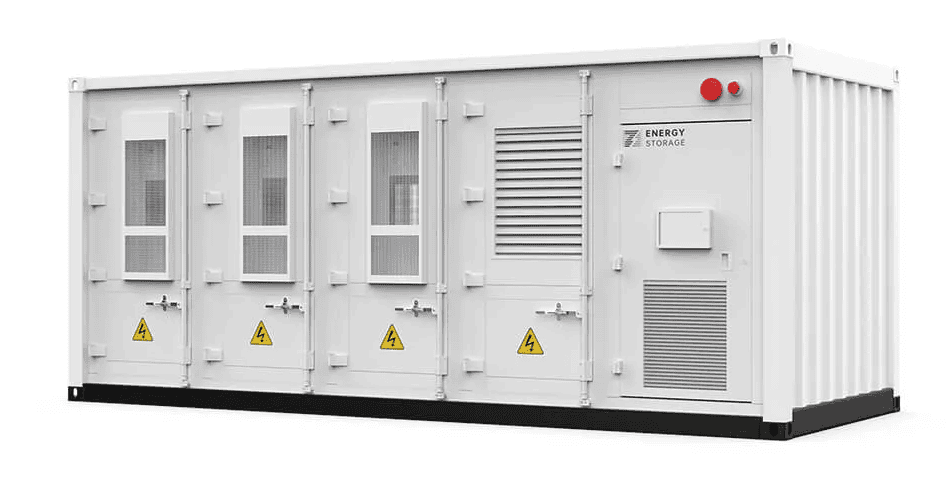
- Malaysia’s newest solar tender (LSS6) is the first to require battery storage, not just panels.
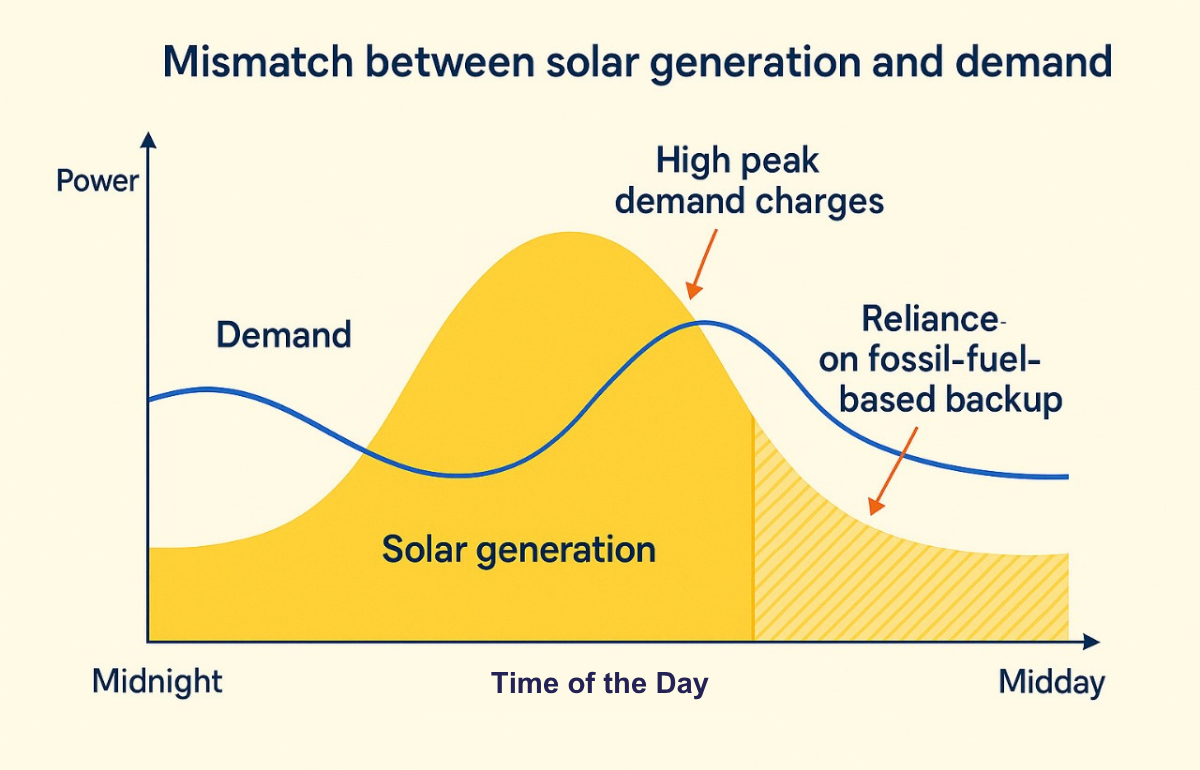
- The reason: solar makes power at midday, but people use the most power in the evening.
- This is part of a bigger national push — Malaysia already has storage projects running, with more on the way.
The simple problem batteries solve
Picture this: your solar panels are working hardest at noon, when the sun is strongest. But your electricity bill is highest in the evening, after work, when everyone’s home cooking dinner and running the aircon.
That mismatch is the core challenge of solar power. The grid gets flooded with electricity at midday, then scrambles to keep up in the evening.
Batteries fix this by storing the midday surplus and releasing it later, when it’s actually needed.
What changed with LSS6
Every solar tender before this one was won purely on price — cheapest electricity wins. LSS6 changes the rules: developers now have to include battery storage as part of their bid, not as an afterthought.
The numbers: 1,250 MW of battery storage, paired with the two largest packages of solar capacity in the tender, totalling 6,000 MWh — roughly four to five hours of stored power, on average.
It’s not just this one tender
This mandate is part of a bigger national plan called MyBeST (My Battery Energy Storage System), run under the Energy Commission. Malaysia has already switched on its first 100 MW of battery storage, with another 400 MW currently being built — working toward a national target of around 2,000 MW.
In other words: LSS6’s storage requirement isn’t a one-off experiment. It’s utility-scale solar catching up to something the grid was already moving toward.
What this means if you’re developing or investing in solar
Storage changes the math. Developers now need to plan for battery costs, technology choices, and maintenance alongside the usual solar variables — not as a separate conversation. For anyone bidding into future rounds, having a real handle on storage economics is quickly becoming as important as understanding solar itself.
If anything, this is likely the direction of travel for future tenders too — not a one-time rule.
Sources
-
- New Straits Times — Malaysia to launch LSS6 with mandatory battery storage
-
- Makreo Research and Consulting — Malaysia Solar Energy Market 2026